As Bergen County enters prime tree pruning season, homeowners are scheduling work to protect their properties before spring growth begins. January through March offers the ideal dormant-season window for most tree species, making it the busiest time for professional arborists. But many homeowners don’t realize the importance of the ANSI A300 pruning standards – or why reputable tree care companies follow them when performing structural or maintenance pruning.
For Bergen County homeowners investing in tree care, understanding these standards helps you recognize quality work, avoid improper cuts, and protect both your trees and your property value.
Key Takeaways
- ANSI A300 standards prevent costly tree damage by requiring proper cutting techniques that preserve tree health and structural integrity for decades.
- New Jersey Licensed Tree Experts must follow these standards by law, protecting homeowners from substandard work that can kill trees or create liability issues.
- Proper three-cut methods and branch collar preservation allow trees to heal naturally while preventing disease entry points and structural weakness.
- Homeowners can protect their investment by verifying that contractors hold NJ Licensed Tree Expert credentials and can demonstrate proper ANSI cutting techniques.
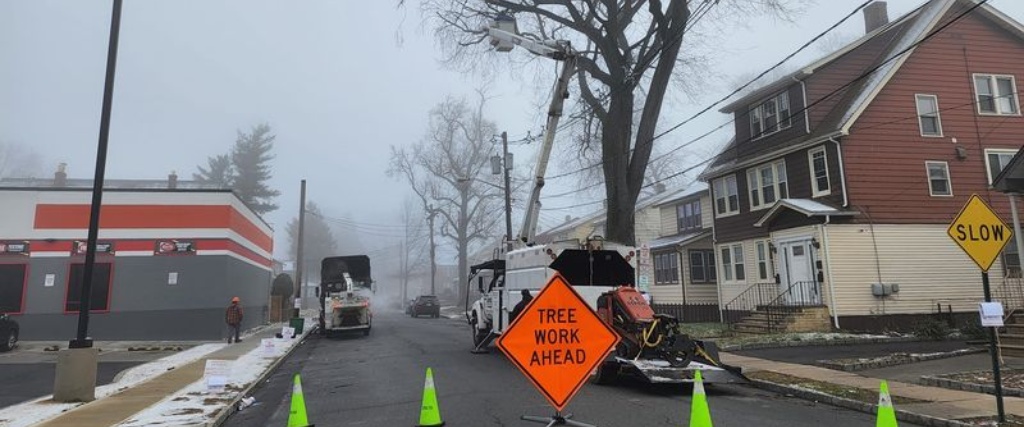
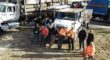
Professional arborists follow ANSI A300 standards while performing tree work in Bergen County neighborhoods, using proper safety protocols and equipment to protect both workers and residents.
What Are ANSI A300 Pruning Standards?
ANSI A300 pruning standards are the nationally recognized guidelines that define how professional tree pruning should be done. They outline science-based best practices for making proper cuts, preserving tree structure, and protecting long-term tree health while still meeting homeowner goals like clearance, safety, and appearance.
Updated in 2024 and consolidated into a single comprehensive standard, ANSI A300 provides a consistent framework that reputable arborists follow to avoid practices that damage trees or create future hazards. These standards are widely accepted across the tree care industry and are often referenced when evaluating whether tree work was performed correctly.
In fact, ANSI A300 standards are commonly used as the benchmark in disputes over tree work quality, including in civil cases, making them the legal standard for proper pruning in the United States. Following these guidelines helps prevent harmful practices like tree topping, flush cuts, and improper timing — all of which can weaken trees, invite disease, and increase the risk of failure near homes and structures.
“I’ve been in this industry for over 25 years, and I’ve seen firsthand what happens when companies cut corners on proper pruning techniques. When homeowners hire a Licensed Tree Expert who follows these guidelines, they’re protecting their trees and their investment for decades to come.” – Casey Walentowicz, Owner and ISA Certified Arborist at Aspen Tree
Legal Requirements in New Jersey
In New Jersey, all Licensed Tree Experts must follow ANSI A300 standards by law according to New Jersey regulations. This requirement distinguishes Licensed Tree Experts from Licensed Tree Care Operators.
While both can perform basic pruning and removals, only Licensed Tree Experts can provide consultations, diagnoses, and specialized treatments that require adherence to these comprehensive standards.
The New Jersey Board of Tree Experts enforces these requirements, protecting consumers from substandard work that can damage trees and create liability issues. When you hire a NJ Licensed Tree Expert, like Aspen Tree Service, you’re guaranteed work that meets these professional standards.
How ANSI A300 Standards Increase Property Value and Tree Safety
Mature trees add significant value to Bergen County properties, with healthy specimens contributing 7-19% to property values in the area’s competitive real estate market. ANSI-compliant pruning maintains this value by preserving tree health and structural integrity for decades, while improper techniques can destroy a tree’s contribution to your property’s worth.
Proper cuts following ANSI standards heal faster and more completely, reducing entry points for diseases and pests that are common in our region. The standards’ emphasis on maintaining natural tree structure ensures that pruned trees remain strong during ice storms and high winds that regularly test Northern New Jersey landscapes.
Property Value Protection
Beyond aesthetic benefits, ANSI standards protect your financial investment in several critical ways. Emergency tree removal can be expensive and remove a valuable tree, but proper preventive pruning following these standards can extend healthy tree life by decades.
The standards also reduce liability risks. If tree damage occurs to neighboring property, documentation showing proper ANSI-compliant maintenance provides legal protection and may influence insurance claim outcomes.

Proper ANSI A300-compliant tree maintenance provides documentation that can be crucial for insurance claims and liability protection when tree-related property damage occurs.
Insurance and Legal Considerations
Many insurance companies require proof of proper tree maintenance when processing claims related to tree damage. ANSI standards provide the documentation and legal backing necessary to demonstrate that you’ve maintained your trees responsibly.
This protection becomes especially valuable during severe weather events when insurance adjusters investigate whether tree failures resulted from neglect or unavoidable circumstances.
Pruning trees correctly makes them less likely to fail during a storm and cause property damage. It also allows you to help your tree recover after a storm to avoid any additional damage the next time severe weather strikes.
Essential ANSI A300 Pruning Techniques Every Homeowner Should Know
Understanding the ANSI A300 pruning standards helps homeowners recognize proper pruning and avoid practices that can weaken trees or create safety issues over time.
The key aspects of the ANSI A300 standards – and how they benefit your trees – include:
- Three-Cut Method: Prevents bark tearing and trunk damage by making an initial undercut, followed by a top cut to remove branch weight, and finishing with a precise cut at the branch collar.
- Branch Collar Preservation: Maintains the swollen area where branches meet the trunk, which contains the tree’s natural compartmentalization barriers. Proper collar cuts allow trees to heal effectively, while flush cuts create large wounds that struggle to close and invite disease organisms.
- Species-Specific Timing: Follows timing recommendations crucial for Bergen County’s diverse tree population. Most species benefit from winter tree pruning during dormant months, while spring-flowering trees, like dogwood, require post-bloom pruning to avoid removing flower buds.
- Crown Management Limits: Restricts foliage removal to no more than 25% in a single growing season, with stricter limits for stressed trees. These limits prevent shock that can kill trees or trigger excessive sucker growth while maintaining the tree’s natural architecture.
- Proper Equipment Use: Requires sharp, clean cutting tools and prohibits the use of climbing spikes on preserved trees. These tools provide clean cuts while avoiding any additional damage to your trees.
How to Verify Your Arborist Follows ANSI A300 Standards
Start your verification process before signing any contract by asking direct questions about credentials and methods. Ask potential contractors: “Are you a NJ Licensed Tree Expert or Tree Care Operator?” Only Licensed Tree Experts are required to follow full ANSI standards.
Follow up with: “Do you follow ANSI A300 standards for all pruning work?” and “Can you explain the three-cut method for this specific job?”
Request to see licensing certificates and insurance documentation. A legitimate professional will readily provide these credentials and explain how they apply to your specific project. Be suspicious of anyone who deflects these questions or claims licensing doesn’t matter for “simple” pruning work.
PRO TIP: Our guide to choosing a reputable tree service company provides additional verification strategies.
Red Flags That Indicate Non-Compliance
Several warning signs indicate an arborist doesn’t follow ANSI standards:
- Topping or “hat-racking” cuts that remove large portions of the crown
- Flush cuts made directly against the trunk
- Removal of more than 25% of the canopy in one session
- Use of climbing spikes on trees during trimming
- Unwillingness to discuss techniques or show licensing
- Quotes significantly below market rate that suggest corners will be cut
Trust your instincts if something looks wrong. Proper pruning should enhance a tree’s natural form, never create an artificial or mutilated appearance.
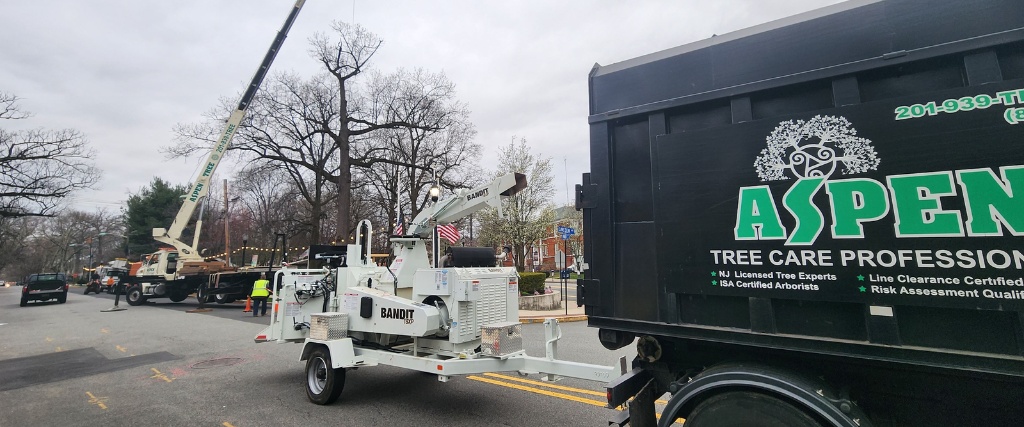
Aspen Tree Service’s professional equipment and NJ Licensed Tree Expert credentials ensure all pruning work meets ANSI A300 standards for optimal tree health and safety.
Frequently Asked Questions About ANSI A300 Pruning Standards
What’s the difference between a NJ Licensed Tree Expert and a Licensed Tree Care Operator when it comes to ANSI A300?
Licensed Tree Experts must follow ANSI A300 standards for all work, including consultations, treatments, and specialized services. Licensed Tree Care Operators are limited to basic pruning, removal, and stump grinding with less comprehensive standard requirements.
How can I tell if my trees were pruned according to ANSI A300 standards after the work is done?
Look for clean cuts at the branch collar with no stubs or flush cuts against the trunk, and check that no more than 25% of the canopy was removed and the tree’s natural shape was preserved. Overpruned or unhealthy trees will not have the same positive impact on property value as well-maintained ones.
What does tree topping look like, and why is it an ANSI A300 violation?
Tree topping involves cutting branches back to stubs or lateral branches too small to assume the terminal role, creating weak regrowth and decay problems that ANSI standards specifically prohibit.
Why do some tree companies charge more for ANSI A300-compliant work?
Proper techniques require more time, skilled labor, and specialized equipment, but this investment prevents costly tree damage, disease problems, and potential liability issues that save money long-term. Efforts to keep your trees healthy and well-maintained will add to your property value as well.
For Professional Pruning That Follows ANSI A300 Standards, Call Aspen Tree
ANSI A300 guidelines represent the gold standard for tree pruning that protects Bergen County homeowners’ investments in their landscape. These standards are legally required for NJ Licensed Tree Experts and provide measurable benefits for tree health, property values, and liability protection.
The Aspen Tree team contains only professionals who follow all industry standards for tree care. To ensure your trees receive ANSI A300-compliant care, contact us at 201-939-8733 or request a quote online.