Winter gives Northern New Jersey property owners a unique opportunity to develop comprehensive tree health strategies before the growing season begins. While many homeowners in Bergen and Essex Counties wait until spring to address tree problems, proactive winter planning makes all the difference between thriving trees and costly emergency treatments.
With emerging threats, like beech leaf disease and other challenges to our area’s tree canopy, winter consultation with qualified professionals has become essential for protecting your landscape investment.
Key Takeaways
- Winter is a great time to develop a customized Integrated Pest Management (IPM) plan based on risk assessment and structural evaluation.
- Licensed Tree Experts can assess tree structure, identify risk factors, and potentially identify signs of insect or disease damage during the dormant season.
- Early planning secures priority scheduling for spring and summer treatments, potentially saving thousands in emergency costs.
- Winter assessments focus on structural integrity, risk evaluation, and treatment planning, while growing season follow-ups confirm disease presence and treatment effectiveness.
- Properties with mature specimen trees benefit most from comprehensive year-round IPM strategies that begin with winter planning.
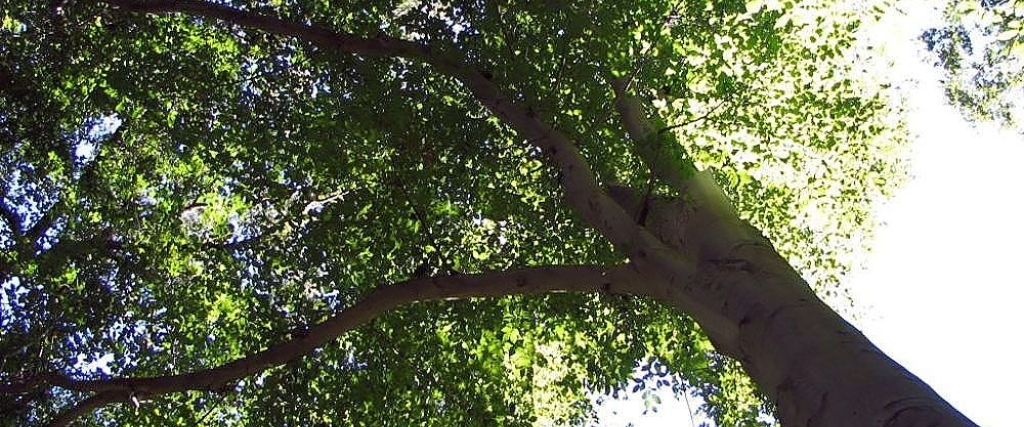
Summer foliage makes it difficult to properly assess tree structure and identify potential issues. Winter’s leafless period provides a clear view of the entire branch architecture for more accurate evaluation. Photo courtesy of Photo by David J. Stang, CC BY-SA 4.0, via Wikimedia Commons
Why Should I Start Tree Health Care Planning in Winter?
Winter provides unique strategic advantages for developing effective tree health programs that aren’t possible during the active growing season:
- Structural Assessment Advantages: Without leaves, tree structure is fully visible, allowing experts to identify potential weaknesses, structural defects, and areas requiring attention.
- Risk Factor Identification: Dormant season evaluation helps identify trees that may be vulnerable to specific pests and diseases based on species, age, location, and environmental stressors.
- Treatment Protocol Development: Winter examination allows arborists to find early signs of disease and insect damage and plan for treatment in the spring.
- Priority Scheduling: Planning ahead allows you to secure priority treatment slots and avoid the premium rates of emergency spring interventions.
- Comprehensive Strategy: Winter assessments create the foundation for a year-round tree health approach that includes both dormant season planning and growing season monitoring.
PRO TIP: “Northern New Jersey property owners often underestimate how quickly issues can develop once the growing season begins. Winter consultations allow us to develop targeted IPM strategies specific to each property’s risk factors, especially for emerging threats that require expert intervention.” – Casey Walentowicz, Owner and Licensed Tree Expert at Aspen Tree
What Happens When an Arborist Creates Your Winter IPM Plan?
Winter IPM planning isn’t just a quick walkthrough of your property – it’s a structured, season-long process that sets your trees up for a healthier spring. During the dormant season, arborists can evaluate tree health more accurately, map out potential risks, and design a targeted care strategy before insects and diseases become active again.
Here’s what that process looks like from start to finish:
Initial Assessment (December)
- Complete property inventory documenting all tree species, age, and structural conditions
- Risk evaluation identifying trees susceptible to common regional threats
- Soil condition assessment to identify potential stress factors
- Review of previous tree health issues and treatment history
- Identification of early signs of insect or disease damage
Analysis and Planning Phase (January)
- Development of risk-based treatment protocols for identified concerns
- Soil analysis to identify nutrient deficiencies or imbalances
- Creation of monitoring schedules for growing season disease detection
- Review of regulatory requirements for planned treatments
Implementation Preparation (February)
- Creation of a year-round maintenance calendar
- Scheduling priority treatments before the spring rush
- Pre-spring structural pruning to remove compromised material
- Client education about planned monitoring and treatment strategies
For Cedar Grove properties with extensive mature canopy, this planning process is critical. It helps us prepare for potential threats like wood-boring insects and develop monitoring protocols for pest and disease issues.
IMPORTANT: Professional IPM planning follows the ANSI A300 standards, which provide important guidelines for Integrated Pest Management. These industry standards ensure your IPM plan is both scientifically sound and customized to your property’s specific risk factors.
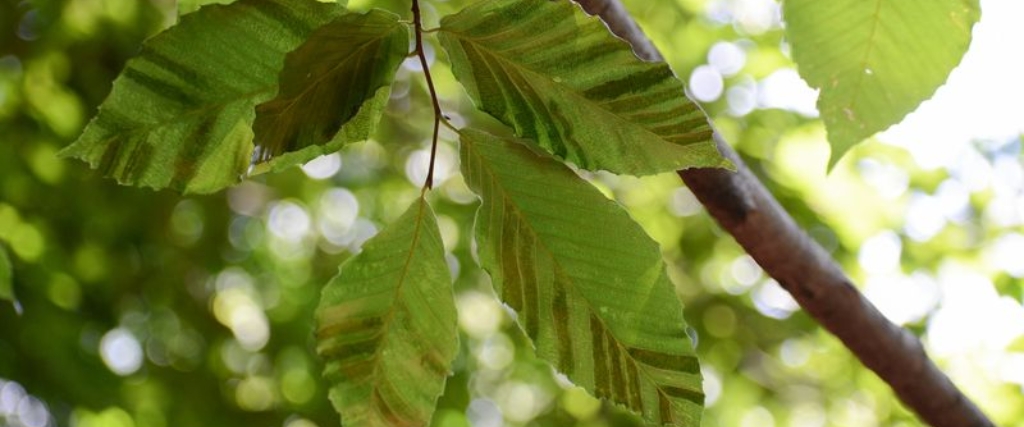
Beech leaf disease causes distinctive dark banding between leaf veins, as shown in this photo. Early detection and winter planning are critical for managing this devastating disease that threatens Bergen and Essex County beech trees.
What Threats Can Winter IPM Planning Help Protect Your Trees From?
Winter IPM planning matters because it gives Licensed Tree Experts time to identify and prepare for the pests and diseases most likely to affect Northern New Jersey trees. While some issues only show visible symptoms during the growing season, winter is when arborists map out how to prevent and manage them.
Here are the top threats winter IPM planning helps address in Bergen and Essex Counties:
- Beech Leaf Disease (BLD): An emerging regional threat caused by a microscopic nematode. It leads to dark banding between veins, curling leaves, canopy thinning, and, in many cases, tree death within 2-7 years. Winter planning allows arborists to identify at-risk trees, build monitoring schedules, and prepare treatment strategies before symptoms appear in spring.
- Wood-Boring Insects: Winter is one of the best times to spot early insect activity. With no leaves blocking the canopy, arborists can see exit holes, larval galleries, thinning bark, woodpecker damage, and other signs of borers like emerald ash borer, two-lined chestnut borer, and bronze birch borer. Identifying these threats during dormancy allows treatment plans to be scheduled before insects emerge in spring.
- Fungal Diseases: Root rot, anthracnose, needle cast, and other fungal issues often begin when trees are weakened by stress. Winter planning lets experts flag risk factors and pre-schedule preventive treatments.
- Environmental Stress Factors: Soil compaction, drought stress, nutrient deficiencies, and improper planting depth can weaken trees long before pests or disease take hold. Winter assessments provide clarity on these conditions.
Why Your Trees Need a Year-Round Health Plan
Winter IPM planning is only half of the equation. True tree health comes from a year-round approach that pairs winter strategy with growing-season follow-through. Each season plays a different role – and skipping either one leaves gaps pests and diseases can take advantage of.
- Winter Phase: During dormancy, arborists can see the tree’s structure clearly, identify risk factors, assess soil and environmental stress, and create a targeted IPM plan before insects and diseases become active. This is when monitoring schedules, treatment strategies, and priority spring work are mapped out.
- Growing Season Phase: Once leaves emerge, arborists confirm what winter evaluations predicted. This is when disease symptoms appear, insect activity becomes measurable, and treatments can be applied at the most effective timing.
Together, these two phases form a proactive system that help your trees have the best chance to stay strong, safe, and resilient.
Frequently Asked Questions About Winter IPM Planning
What is Integrated Pest Management?
Integrated Pest Management (IPM) is a comprehensive approach that combines multiple strategies, including biological controls, habitat manipulation, cultural practices, and targeted treatments. Unlike reactive approaches that respond to problems after they’re visible, IPM focuses on prevention, early detection, and sustainable management strategies.
How much does winter IPM planning cost compared to emergency treatments?
Winter IPM consultations represent a small investment compared to emergency treatments or tree replacement costs. For properties with valuable mature specimens, the cost difference becomes significant when considering the potential loss of high-value trees that proper planning may have saved.
Why should I work with a Licensed Tree Expert for IPM planning?
New Jersey distinguishes between Licensed Tree Experts (LTEs) and Licensed Tree Care Operators (LTCOs). Only LTEs have the credentials to develop comprehensive IPM strategies that comply with state regulations and industry best practices. Look for a reputable company that employs individuals with credentials, including ISA Certified Arborists and specialized training in Integrated Pest Management.
Don’t Wait Until It’s Too Late, Schedule Winter IPM from Aspen Tree Today
Winter IPM planning represents a strategic investment in the long-term health and value of your landscape. By working with a Licensed Tree Expert during the dormant season, you develop proactive strategies rather than reacting to problems after damage occurs.
For property owners in Bergen and Essex Counties, this comprehensive approach is especially valuable given the significant investment in mature tree specimens and the emerging threats to our regional tree canopy.
Start your winter IPM planning today and position your trees for success in the seasons ahead. Contact us at 201-939-8733 or request a quote online to schedule your consultation with a Licensed Tree Expert.